The Hong lab is a radiation oncology lab with a focus on machine learning and individualized clinical care. I am leading computer vision efforts within the Hong Lab. My current research focuses on applying deep learning frameworks to H&E stained, post-radical prostatectomy whole slide images and tabular clinical data. We hope to classify patterns of recurrence and Gleason grade four subtypes to improve prognostication and treatment planning for prostate cancer.
Example Pipeline
Abstract: Multispectral object detection has applications in defense, agriculture, and industry. This thesis explores improvements to UAV-based object detection by embedding environmental variance into multispectral models. Combining forward-looking infrared (FLIR) and RGB cameras, I address detection accuracy challenges caused by infrared variations and RGB visibility issues across changing times of day.
I implemented novel adaptations of the YOLOv7 framework integrating RGB, infrared, and time-of-day information through custom fusion layers, gated multimodal units (GMU), and cross-attention mechanisms. The work introduces several extensible PyTorch layers (DualLayer, FusionLayer, SymmetricCrossAttention) that enable time-conditioned modality fusion for improved detection across environmental conditions.
Architecture Overview
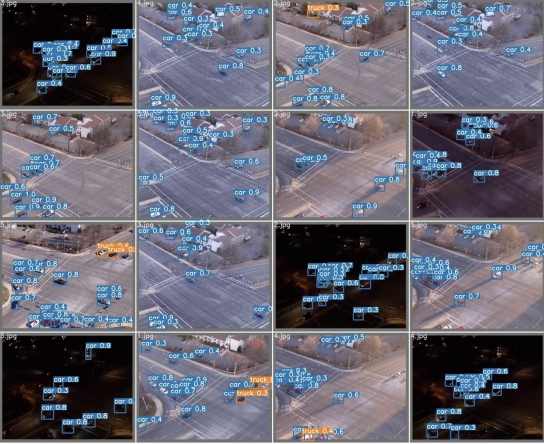 GMU Approach Batch 1
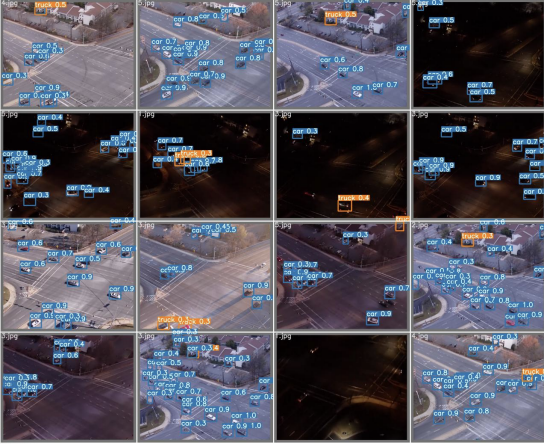 GMU Approach Batch 2
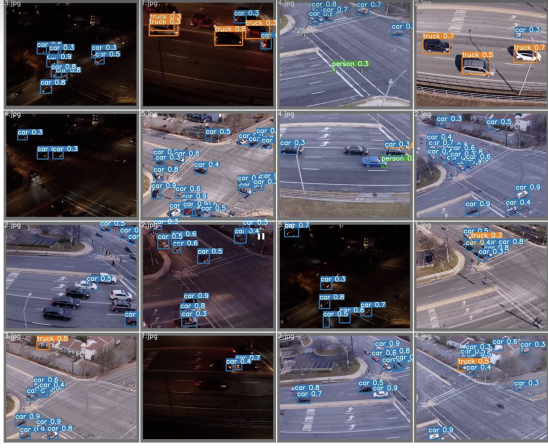 Learned Fusion Batch 1
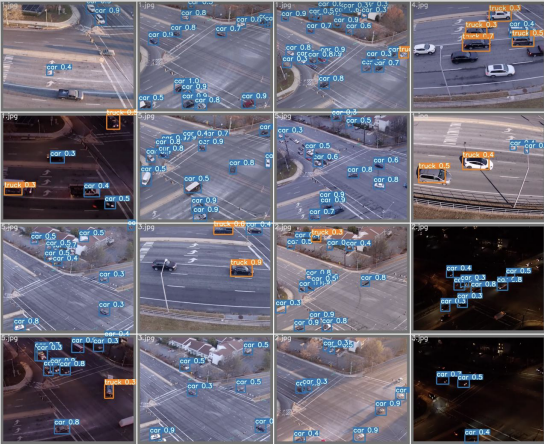 Learned Fusion Batch 2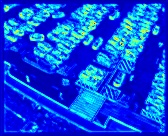
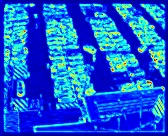
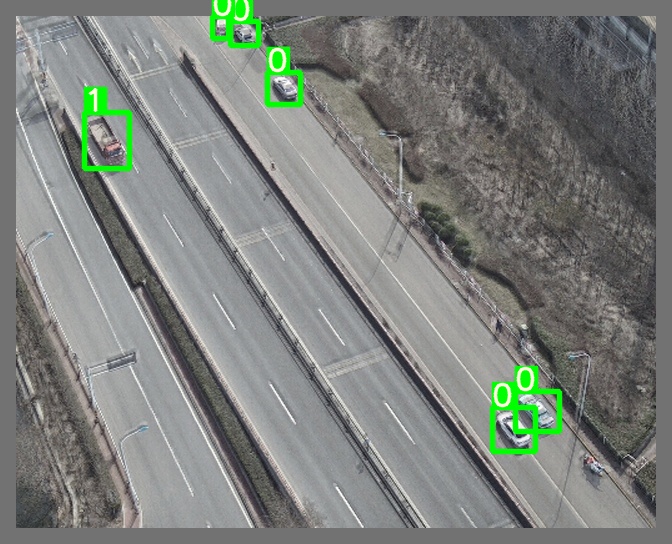 Pre-sunrise / Post-sunset
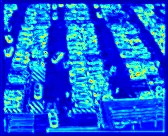
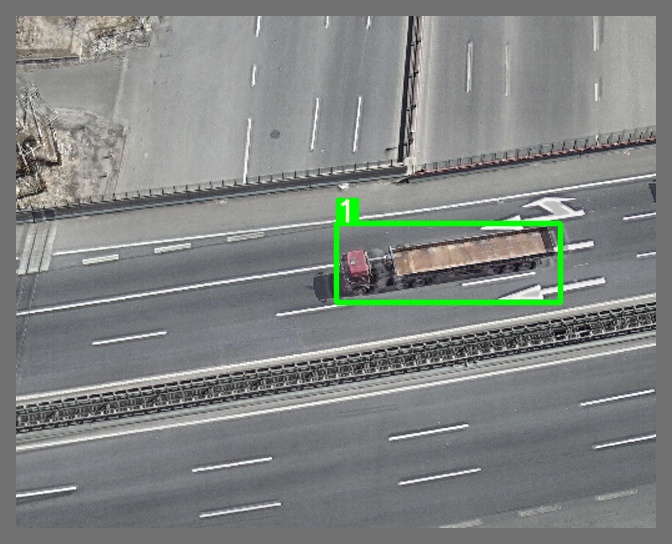 Post-sunrise or Pre-sunset
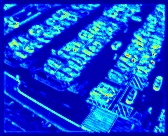
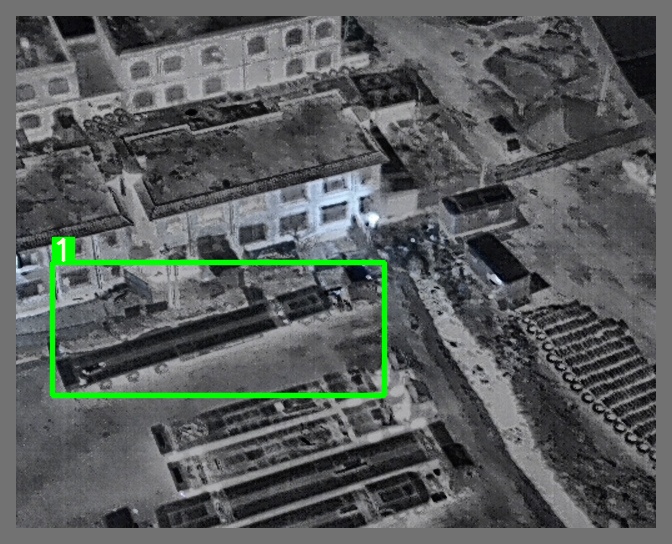 Noon
NoonTop Model Performance (mAP@0.5)
| Method | Precision | Recall | mAP@0.5 | mAP@0.5:0.95 |
|---|---|---|---|---|
| IR Only (Full) | 0.931 | 0.925 | 0.966 | 0.637 |
| Early Fusion (Perceptron) | 0.899 | 0.889 | 0.933 | 0.580 |
| GMU (Baseline) | 0.881 | 0.912 | 0.943 | 0.586 |
| Early Fusion (Manual) | 0.859 | 0.910 | 0.923 | 0.574 |
| Middle Fusion (Learned) | 0.910 | 0.849 | 0.926 | 0.572 |
| GMU (Learned) | 0.849 | 0.906 | 0.929 | 0.564 |
| RGB Only (Full) | 0.876 | 0.829 | 0.888 | 0.485 |
| Cross-Attention (Learned) | 0.793 | 0.861 | 0.874 | 0.518 |
Key Contributions: Created a time-labeled RGB-IR dataset of 12,000+ image pairs; achieved 93.3% mAP@0.5 with perceptron-based early fusion; demonstrated adaptive gating can potentially learn more meaningful feature representations across varying lighting conditions while maintaining real-time performance.